Hill Country River Town
Llano is the Llano County seat on the Llano River, known as the Deer Capital of Texas amid the granite-studded Hill Country.
Llano is a city in Llano County, Texas, situated on the Llano River in the eastern Edwards Plateau, the rugged, granite-studded heart of the Texas Hill Country. It serves as the county seat of Llano County, which was established in 1856 and named for the river that drains much of its 941 square miles into the Colorado River. The city's 2020 population was 3,325, while the surrounding county was home to about 21,243 people. The region is best known as the Deer Capital of Texas, a title reflecting one of the highest densities of white-tailed deer in the United States. Hunting has long been a cornerstone of the local economy and culture, drawing sportsmen from across the state each season. Alongside hunting, Llano's economy has historically rested on farming, ranching, and a renowned granite industry: the area's pink granite was quarried locally and used in prominent Texas buildings, including the Llano County Courthouse completed in 1893 and listed on the National Register of Historic Places. Llano's downtown retains the character of its frontier past, centered on the courthouse square and punctuated by landmarks such as the Badu Building and the historic Red Top Jail. The Llano River, with its clear, spring-fed flows, has made the town a regional destination for fishing, kayaking, tubing, and swimming, and the surrounding Hill Country offers scenic drives, birding, and stargazing. Today Llano balances its ranching and hunting heritage with a growing appeal to visitors and transplants drawn by Hill Country scenery and outdoor recreation. Its location keeps Austin reachable by car via State Highway 71 while preserving a distinctly rural, small-town identity. For those seeking river access, hunting land, or a quieter base within the Hill Country, Llano offers an authentic, unhurried alternative to the region's faster-growing cities.
Llano is the county seat of Llano County, Texas, located on the Edwards Plateau in the Texas Hill Country. The county covers about 941 square miles and drains into the Colorado River largely through the Llano River, for which the county is named.
Llano is widely known as the Deer Capital of Texas, with one of the highest densities of white-tailed deer in the United States. The region draws hunters during the season and is also known for its granite industry, the Llano River, and its historic courthouse square.
Llano's population was 3,325 at the 2020 census. Llano County as a whole had 21,243 residents in the same census, with the city of Llano serving as the county seat, commercial hub, and the largest community in the county.
The Llano Independent School District serves the area with four campuses: Llano High School, Llano Junior High, Llano Elementary, and Packsaddle Elementary in Kingsland. The district enrolls roughly 1,900 students across the county.
Llano is about 75 miles by car from Austin via State Highway 71 and roughly 108 miles from San Antonio via State Highways 16 and 71. State Highway 29 crosses the town east-west, and Highway 16 runs north-south toward Fredericksburg.
City Guide
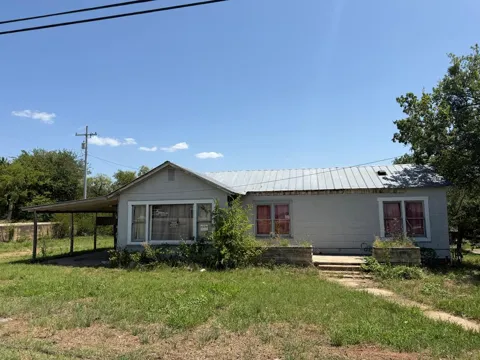
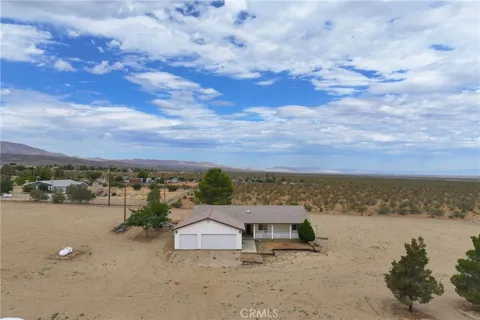
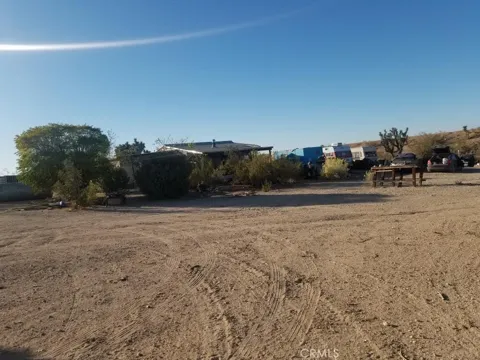
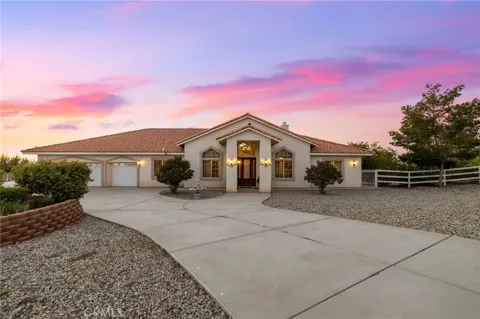
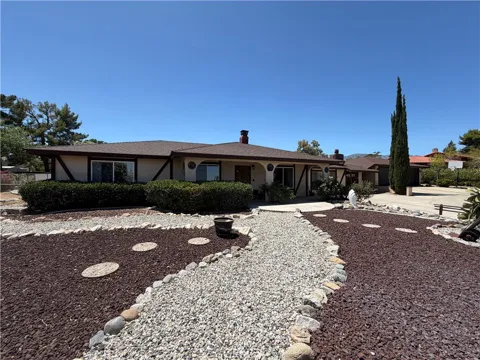
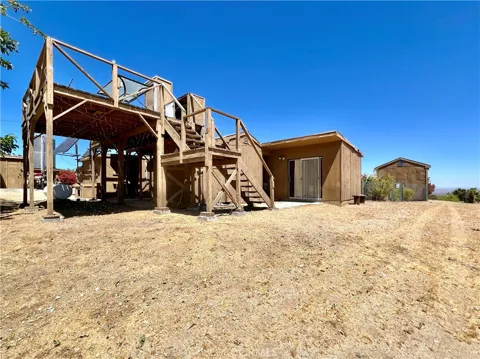
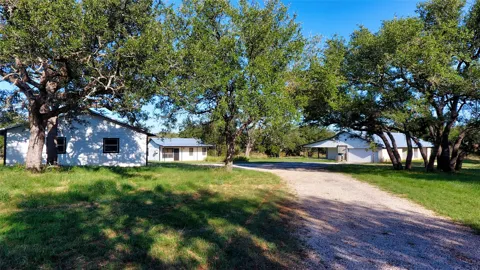
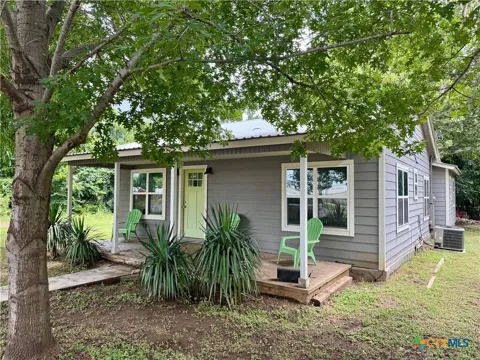
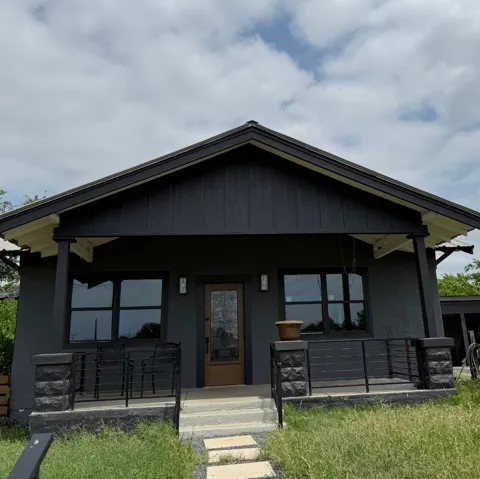
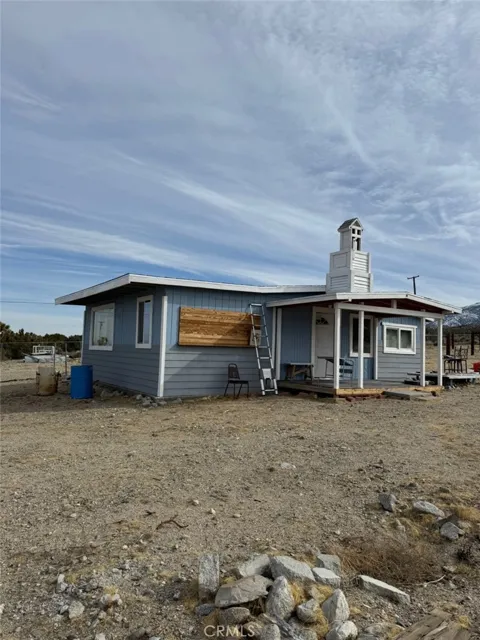
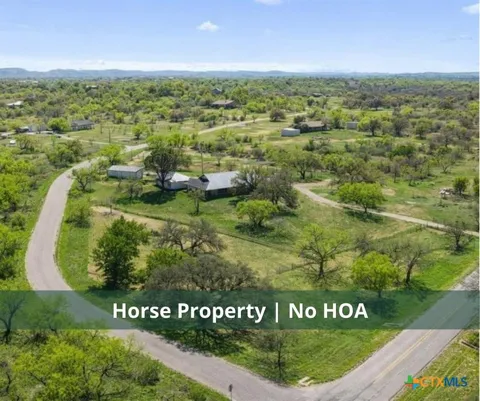
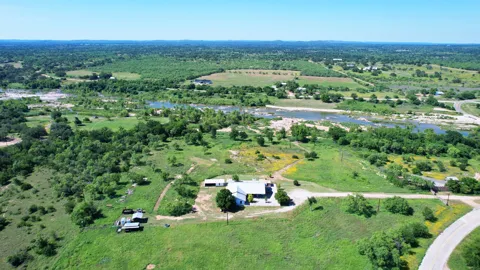
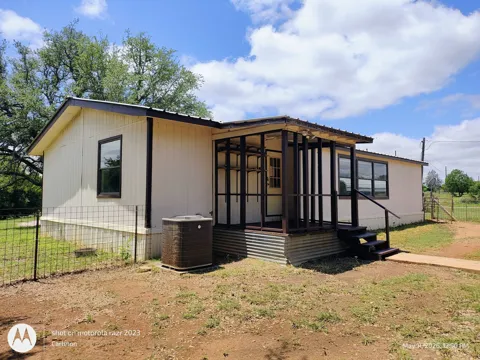
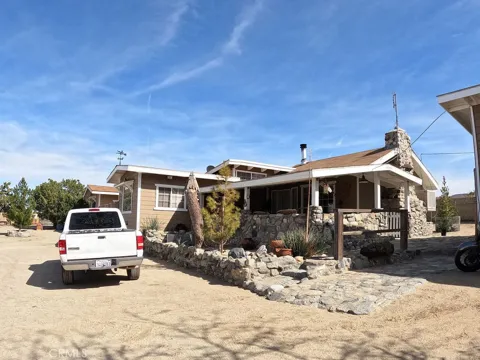
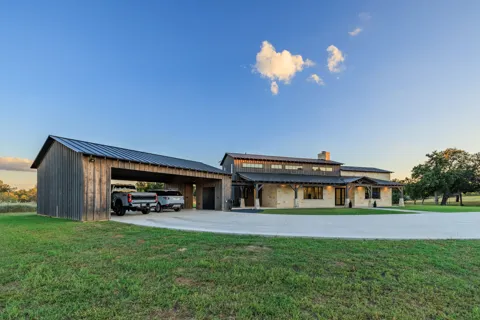
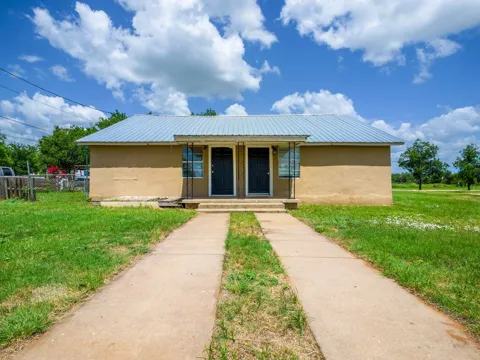
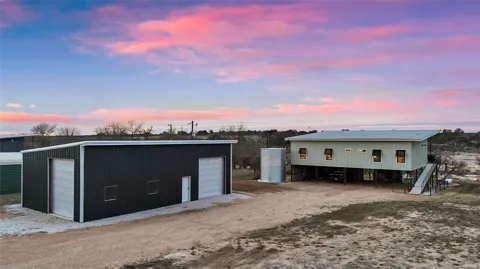
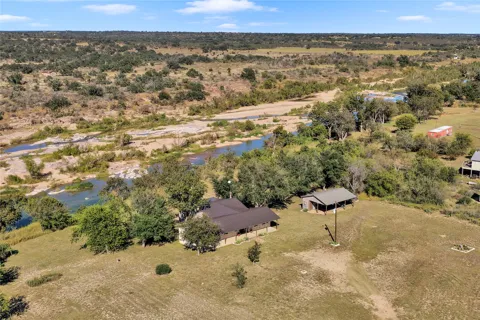
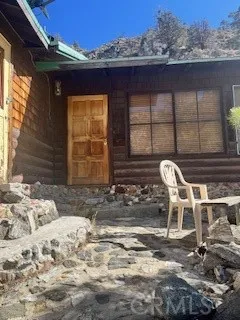
Llano's housing market reflects its Hill Country setting, mixing historic homes near the courthouse square with newer construction on the outskirts and, farther out, ranch and riverfront acreage. The granite industry that built the town also shaped its architecture, and buyers can find older stone and frame homes with character alongside modern Hill Country-style residences. Properties along the Llano River and on larger tracts command particular interest from those seeking water access, hunting land, or room to spread out. The market is more rural and land-oriented than a suburban one, with a range from in-town bungalows to multi-acre ranches, and the area's scenic value and proximity to Austin contribute to steady demand from second-home and retirement buyers.
Llano is organized around its historic downtown and the Llano River, with the county courthouse and early commercial buildings forming the core. Residential streets radiate from the square, transitioning quickly from older town lots to Hill Country acreage. Within the broader county, the nearby communities of Kingsland, on the western shore of Lake LBJ, and Castell, a small settlement along the Llano River with a public river-access crossing, function as satellite nodes with their own rural character. Buyers generally choose between in-town convenience, riverfront or river-near properties, and larger ranch parcels, with the river and the region's granite outcroppings defining the area's scenic backdrop throughout.
Life in Llano revolves around the outdoors and a tight-knit small-town culture. The Llano River runs through the community, providing a natural gathering place for swimming, tubing, and fishing, while the surrounding Hill Country supports a strong hunting tradition that peaks each deer season. The historic courthouse square anchors downtown, and community events such as the Llano Fiddle Fest bring residents and visitors together. Evenings lend themselves to live music, stargazing under dark Hill Country skies, and gatherings that blend ranching heritage with an increasingly popular weekend-tourism scene. The pace is relaxed and neighborly, appealing to those who want river access and Hill Country scenery without the congestion of larger tourist towns.
Public education in Llano is provided by the Llano Independent School District, which serves Pre-K through 12th grade from its base in the city. The district operates four campuses: Llano High School, Llano Junior High, Llano Elementary, and Packsaddle Elementary, the latter located in the nearby community of Kingsland. With roughly 1,900 students, Llano ISD functions as a small, centralized rural district serving the broader county, which means school is a focal point of community life. Families considering homes in outlying areas should note that attendance across a geographically large district can involve longer bus rides, and the district's Kingsland campus extends service toward the Lake LBJ area on the county's western edge.
Llano sits at the convergence of several Hill Country highways. State Highway 16 runs north–south through town, connecting toward Fredericksburg and, combined with Highway 71, toward San Antonio roughly 108 miles away. State Highway 29 crosses east–west, linking Llano to Burnet and points east, while State Highway 71 provides the principal route to Austin, about 75 miles to the southeast. The town is automobile-dependent, with no fixed-route transit, and commutes to Austin, San Antonio, or the Highland Lakes communities to the west are made by car. The combination of 16, 29, and 71 also makes Llano a convenient crossroads for exploring the wider Hill Country and the Marble Falls–Kingsland lakes region.
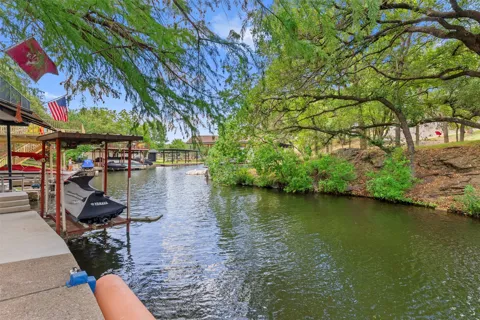
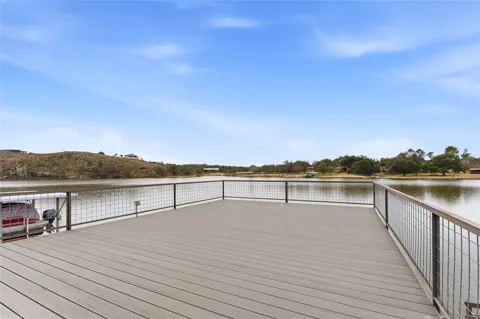
Recreation in Llano is anchored by the Llano River, whose clear water supports swimming, tubing, kayaking, and fishing for Guadalupe and largemouth bass, Rio Grande cichlids, and sunfish. Public access points such as Castell Crossing offer bank fishing and boat launches along the river. The Deer Capital of Texas designation underscores the area's white-tailed deer hunting, a major seasonal draw on surrounding ranches. Enchanted Rock State Natural Area, the massive pink granite dome that rises from the county's southwest, is one of Texas's most visited natural landmarks. Birding, gold panning, golf, and stargazing round out the outdoor offerings, while events such as the Llano Fiddle Fest celebrate the town's musical heritage.
MARKET SNAPSHOT
How homes have been selling here over the last 90 days.
Market data reflects closed sales over the last 90 days and is provided for informational purposes.
BROWSE BY ZIP
Browse listings by postal code in this area.