Fort Bend County Community
Welcome to Fresno, a Fort Bend County community on the southern edge of the Houston metro, close to Missouri City and Sugar Land.
Fresno is an unincorporated community and census-designated place in Fort Bend County, Texas, on the southwest edge of the Houston metropolitan area. With a population of about 24,500, it has grown from a small rural settlement — home to only a few thousand people as recently as the 1990s — into a substantial suburban community, part of the broader sweep of development that has transformed Fort Bend County into one of the Houston region's most dynamic residential areas. The community's location is its defining feature. Fresno sits along the major road corridors that link Houston's southwest suburbs, close to Missouri City to the northeast and Sugar Land to the northwest, two of the region's larger and more established suburban cities. This position places Fresno within the orbit of Sugar Land's commercial and employment centers while offering a more attainable entry point into the same school district and regional economy. The community is unincorporated, meaning it shares county government and services rather than maintaining its own municipality. Education is a central part of Fresno's identity. The community is served by the Fort Bend Independent School District, one of the largest school systems in Texas, which spans roughly 170 square miles and serves Sugar Land, Missouri City, Arcola, and a series of smaller communities including Fresno. The district's scale and its network of neighborhood schools tie Fresno closely to the rest of Fort Bend County's suburban fabric. Life in Fresno is suburban Houston living at an accessible scale. Residential neighborhoods — many of them newer subdivisions — spread across the landscape, connected by the region's highways and toll roads to Houston's job centers, the Texas Medical Center, and the broader metro economy. For residents, Fresno offers the practical advantages of Fort Bend County — schools, growth, and proximity to Houston — in a community that remains more moderately priced and less built-out than its neighbors. It is a place defined by its location within a fast-changing region, serving families and workers who want access to the Houston area's opportunities.
Fresno is in Fort Bend County, Texas, on the southern edge of the Houston metropolitan area. It is an unincorporated community and census-designated place, close to Missouri City and Sugar Land.
Fresno is an unincorporated community and census-designated place rather than an incorporated city. It lies within Fort Bend County's suburban growth corridor and shares the county's services and school district rather than operating its own municipal government.
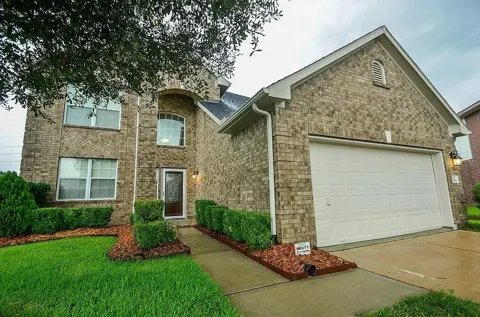
Fresno's public schools are served by the Fort Bend Independent School District, one of the largest school systems in Texas. The district spans roughly 170 square miles and also serves Sugar Land, Missouri City, Arcola, and nearby communities.
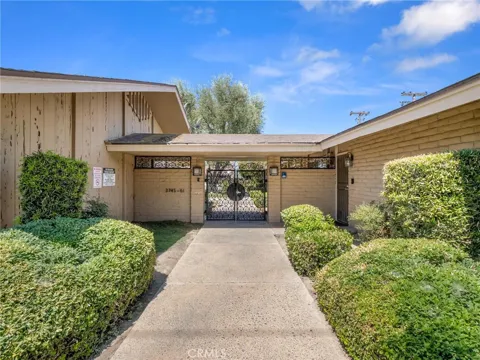
Fresno lies close to Missouri City and Sugar Land, on the southern edge of the Houston metropolitan area. It grew from a small settlement into a substantial suburban community of about 24,500 residents as the Houston region expanded southwest.
City Guide
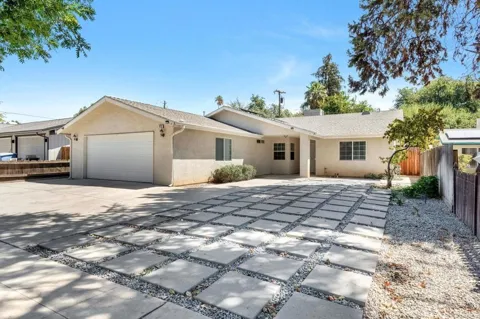
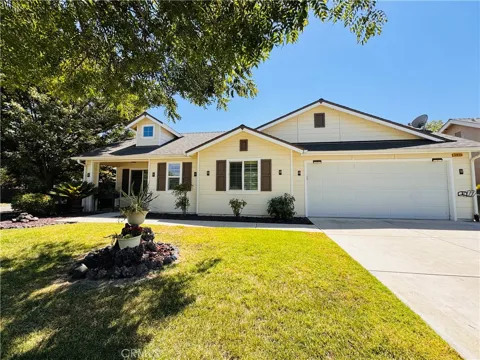
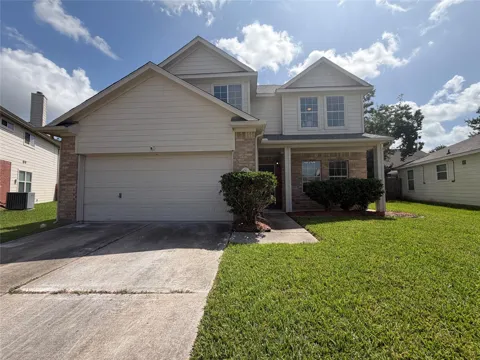
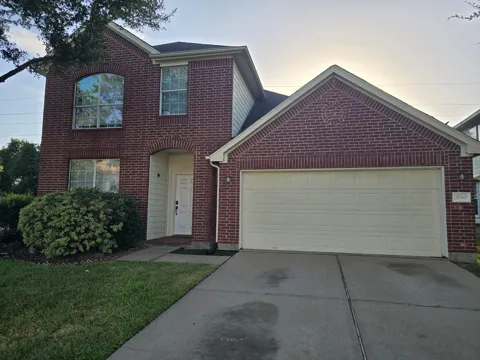
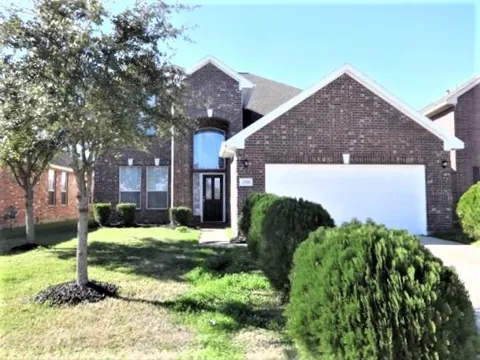
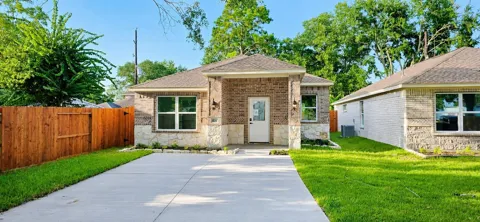
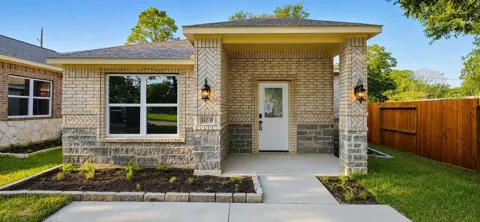
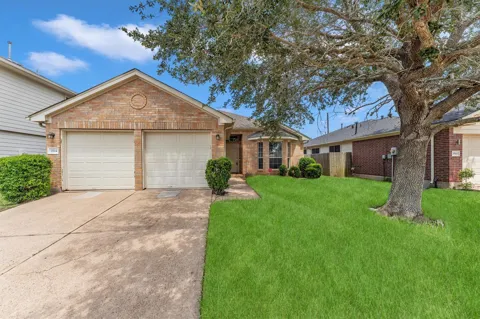
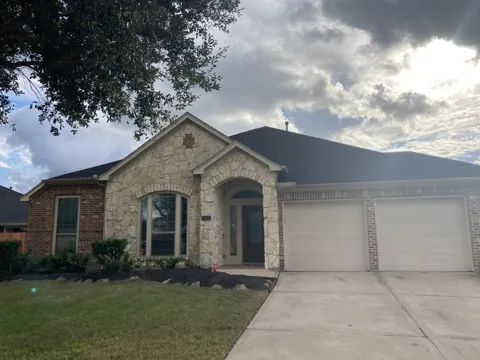
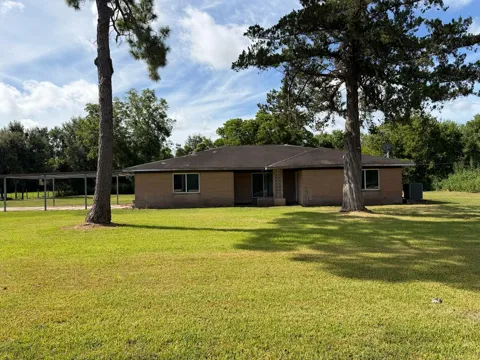
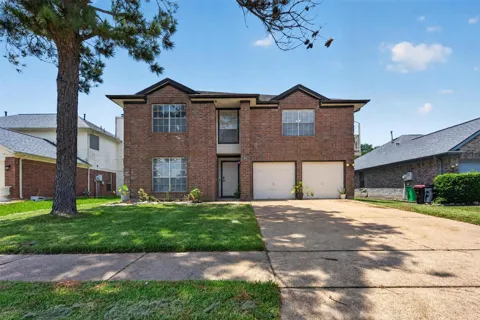
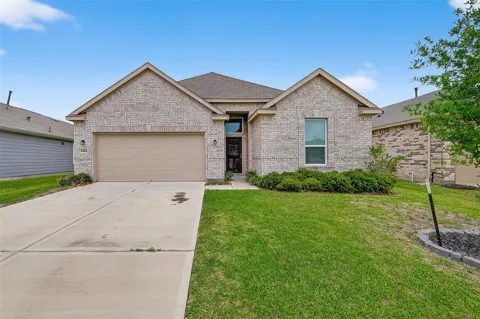
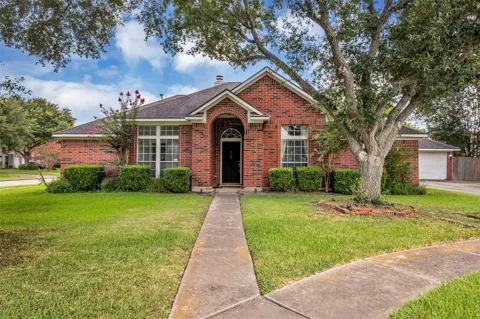
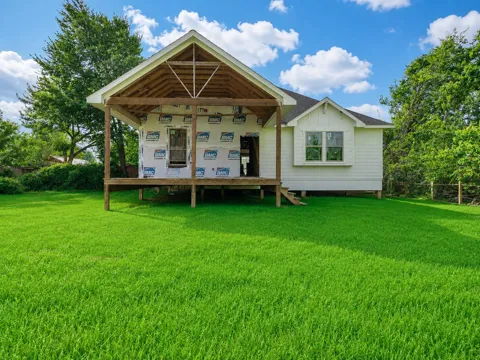
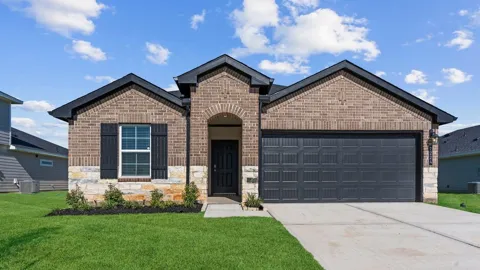
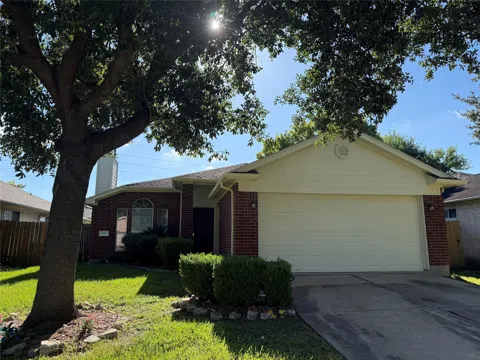
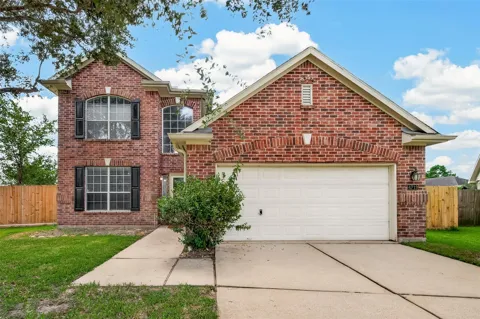
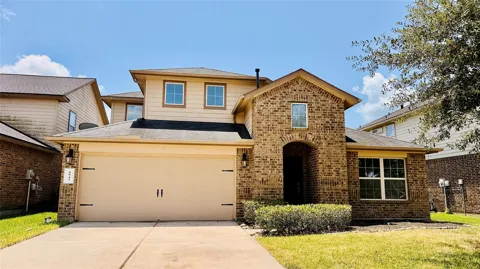
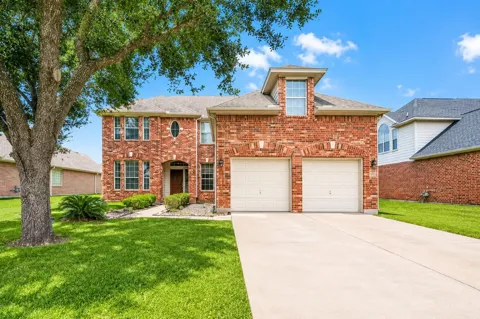
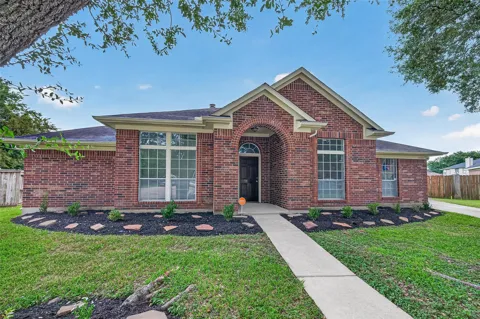
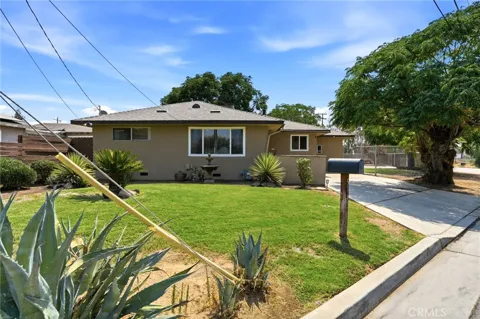
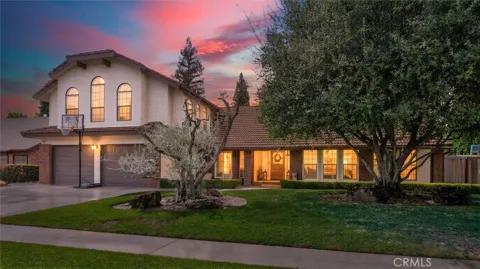
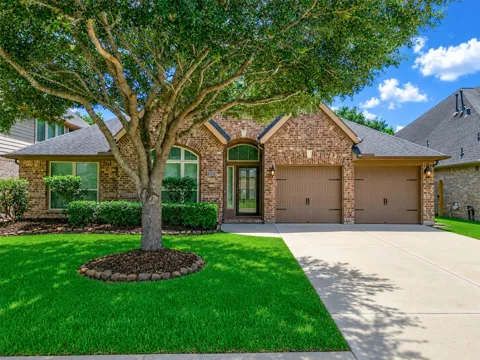
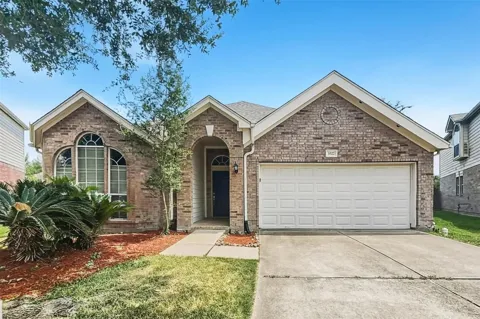
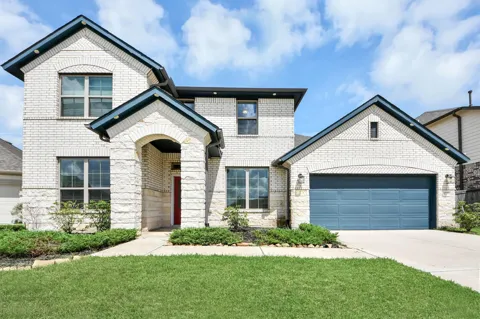
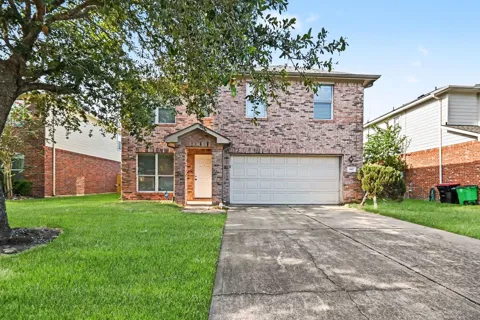
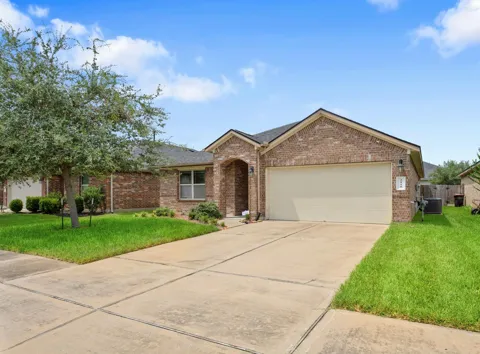
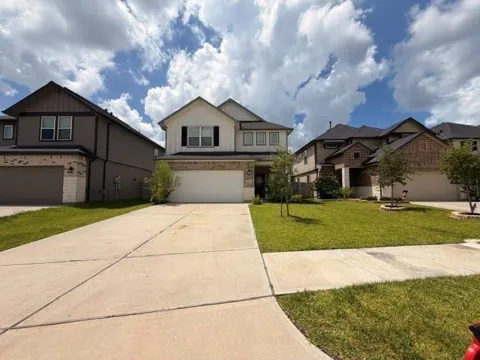
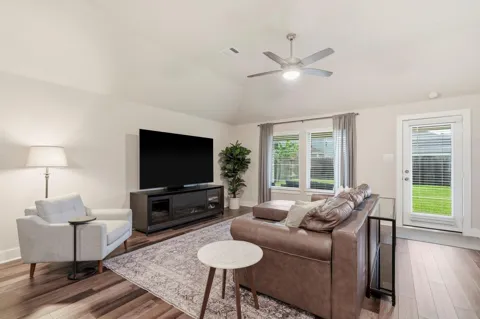
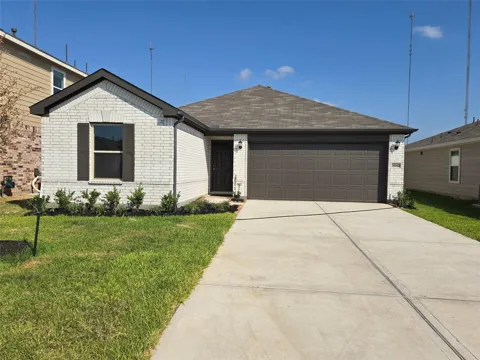
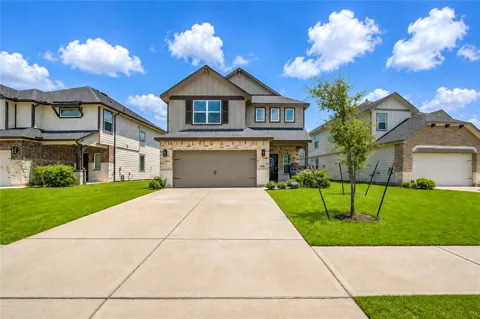
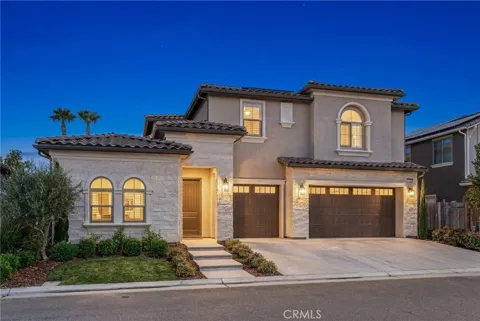
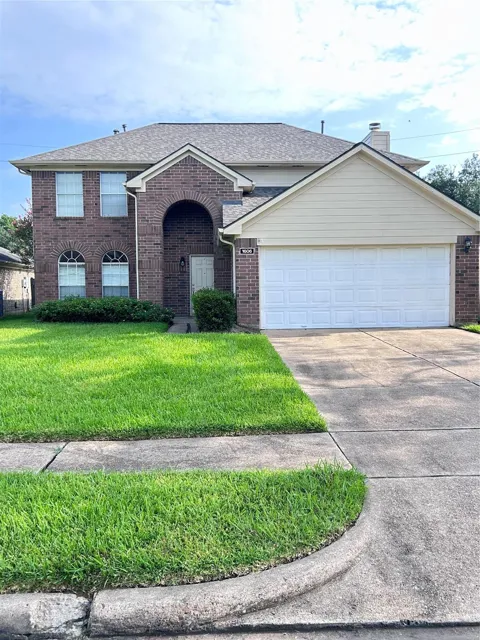
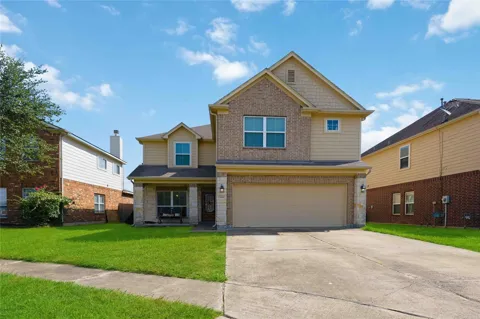
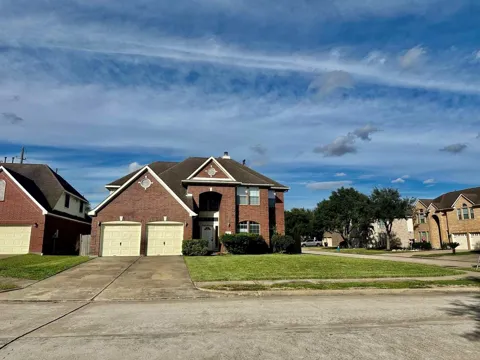
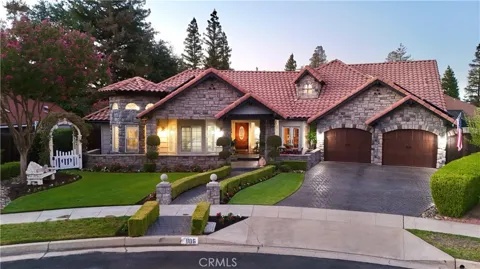
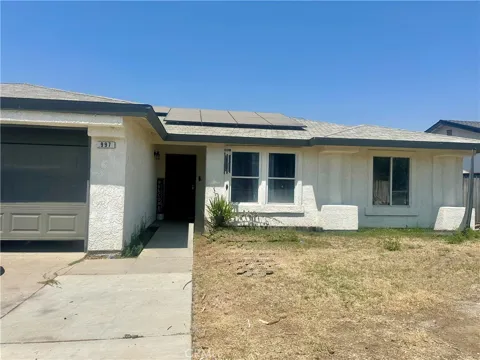
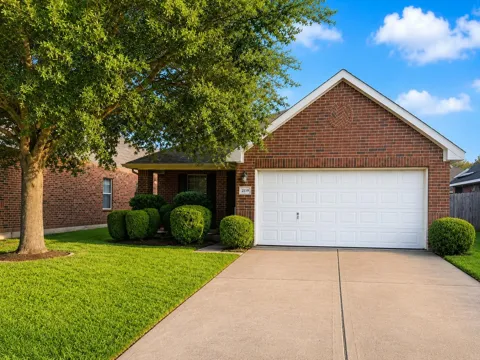
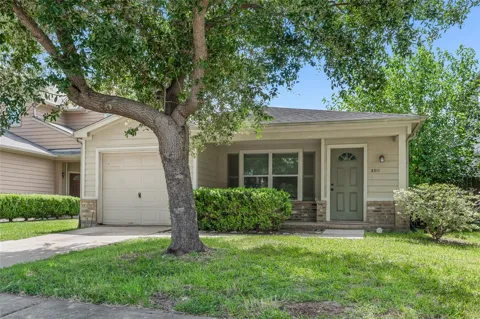
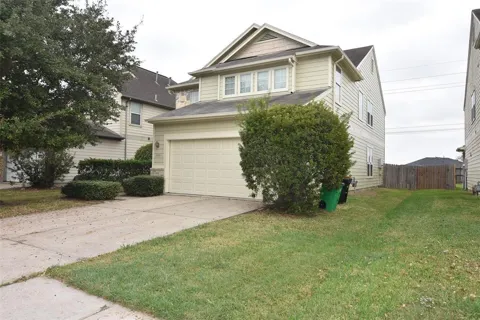
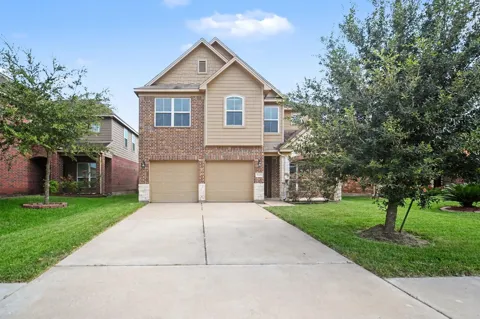
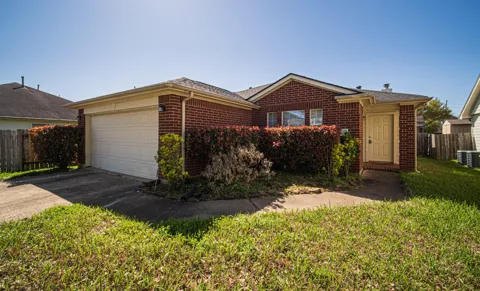
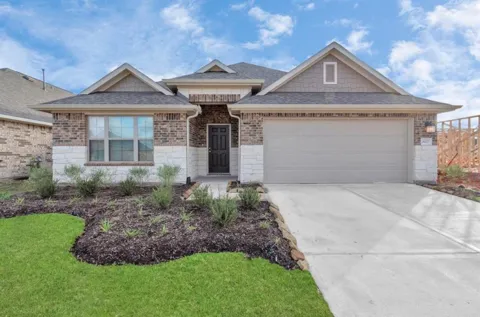
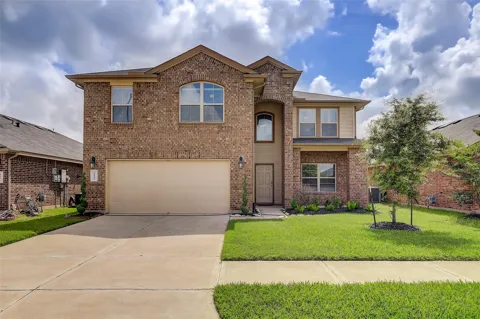
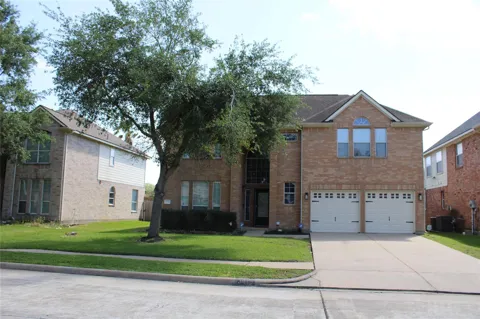
Fresno's housing stock is a product of the Houston region's southwestward growth, dominated by newer single-family subdivisions built in waves as Fort Bend County suburbanized. The area offers a range of detached homes — from modest starter houses to larger two-story designs — many within master-planned and conventional subdivisions arranged around schools and neighborhood amenities. Because Fresno is unincorporated and developed across several decades, the housing includes a mix of eras, with newer construction on the community's expanding edges. Compared with the more built-out communities of Sugar Land and Missouri City, Fresno has historically offered a broader range of attainable housing, which continues to draw families to the area.
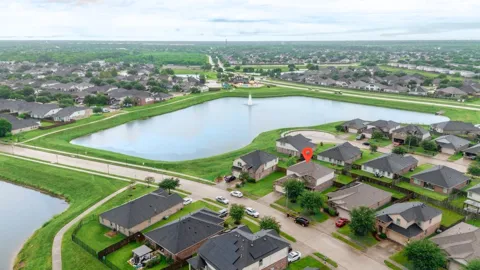
Fresno's residential landscape is made up of suburban subdivisions rather than a single historic center, reflecting its growth as part of Fort Bend County's expansion. Neighborhoods are arranged around the region's major road corridors and the school campuses that anchor each area, with community features such as parks, playgrounds, and retail clusters distributed throughout. The community blends into the surrounding Fort Bend County fabric — toward Missouri City and Sugar Land to the northeast and the newer communities of Sienna to the south. This pattern gives Fresno the character of a connected suburban district within the larger Houston southwest region, where neighborhoods are defined by their subdivision boundaries and shared schools.
Life in Fresno is suburban Houston living at a more attainable scale. Residents are part of the broader Fort Bend County community, with everyday shopping, dining, and services concentrated in nearby Missouri City and Sugar Land, and Houston's employment centers within commuting distance. The community's growth has brought a mix of long-time residents and newcomers drawn by the region's expansion, and civic life centers on schools, churches, and neighborhood organizations. For residents, the appeal is a foothold in one of Texas's most dynamic suburban counties — with access to the Houston economy and the amenities of Sugar Land and Missouri City — without the density or cost of more established communities.
Fresno is served by the Fort Bend Independent School District, one of the largest public school systems in Texas, spanning roughly 170 square miles across Fort Bend County. The district was created by the 1959 consolidation of the Sugar Land and Missouri City school systems and today serves Sugar Land, Missouri City, Arcola, Meadows Place, and communities including Fresno. Students attend district schools assigned by attendance zone, and the district's size brings a breadth of academic, athletic, and extracurricular programs. For families, being part of a large, well-resourced district is one of Fresno's principal draws, connecting the community to the educational infrastructure of one of Texas's major suburban counties.
Fresno sits within the Houston region's southwest road network, connected to Sugar Land and Missouri City by the area's major arterials and to the wider metro by the region's highway and toll-road system. Commuters reach Houston's employment centers, including the Texas Medical Center and downtown, by car via these corridors, and the community's position on the metro's edge means daily life is thoroughly car-dependent. The proximity of Highway 6, the Fort Bend Parkway, and the region's toll roads gives residents practical access to the metro's job markets while keeping them within Fort Bend County's suburban setting. Transportation, like the community itself, is oriented around the automobile and the Houston region's far-flung geography.
Recreation in Fresno is tied to the amenities of the Houston southwest region and Fort Bend County. Local parks, playgrounds, and community facilities serve the area's subdivisions, while larger regional parks, trail systems, and the recreation offerings of nearby Missouri City and Sugar Land are a short drive away. The broader Fort Bend County landscape, including its lakes and green spaces, provides additional outdoor options, and Houston's park system lies within reach for larger excursions. For residents, recreation is largely community- and region-based, with the amenities of the surrounding suburbs and the Houston metro supplying the depth of activities that a young, fast-growing community itself has only begun to build out.
MARKET SNAPSHOT
How homes have been selling here over the last 90 days.
Market data reflects closed sales over the last 90 days and is provided for informational purposes.
EXPLORE COMMUNITIES
Browse the neighborhoods and subdivisions in this area.
BROWSE BY ZIP
Browse listings by postal code in this area.